

 By Chalaka Plywood TeamPublished
 Choosing the right thickness keeps furniture strong without wasting money on material you don't need. Here is the thickness most carpenters reach for, part by part.
The quick answer
| Part | Common thickness | Why |
|---|---|---|
| Cabinet & wardrobe carcass | 18 mm | Holds screws, hinges and weight |
| Shelves (up to ~800 mm span) | 18 mm | Resists sagging |
| Long shelves | 18 mm with a support | Stops long spans sagging |
| Cabinet backs | 6–9 mm | Adds rigidity without weight |
| Drawer sides | 12 mm | Strong enough for joints |
| Drawer bottoms | 6 mm | Light, fits a groove |
| Wall panelling | 6–12 mm | Depends on the framing behind it |
Carcasses: 18 mm is the standard
For kitchen units and wardrobes, 18 mm is the industry default. It gives enough depth for hinge screws and cam fittings and stays square under load. Near sinks, read our guide to moisture grades before you choose.
Shelves: watch the span
Sag depends on span as much as thickness. For long book shelves or benches, keep 18 mm but add a centre support or a stiffening strip along the front edge.
Backs and drawer bottoms: go thin
Thin plywood (6–9 mm) in a groove or rebate makes a cabinet far more rigid than you'd expect, at a fraction of the weight.
Pick the face to suit the finish
Use EV face plywood for doors and visible panels you will polish, and non-face plywood for carcasses that will be laminated or painted.
Why calibrated thickness matters
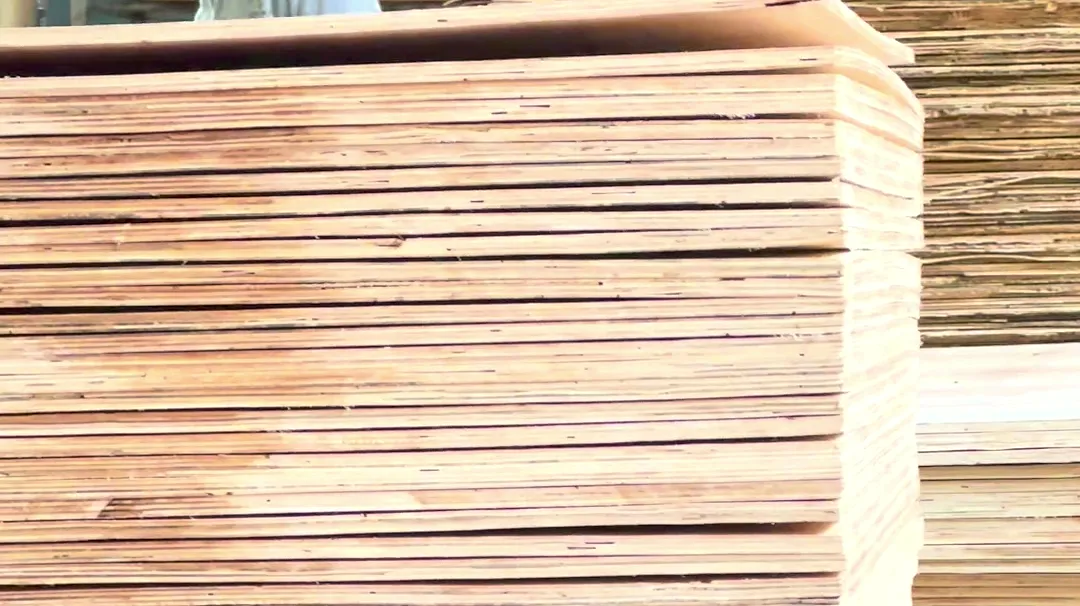
Two "18 mm" boards from different suppliers can vary by a millimetre or more. That shows up as uneven door gaps and laminate that won't sit flat. Our boards are sanded to a calibrated thickness, so every sheet in a batch matches.
Need a quote?
Send us your list of parts and quantities and we will quote standard 8′ × 4′ sheets in the thicknesses you need. Request a quote.