

 By Chalaka Plywood TeamPublished
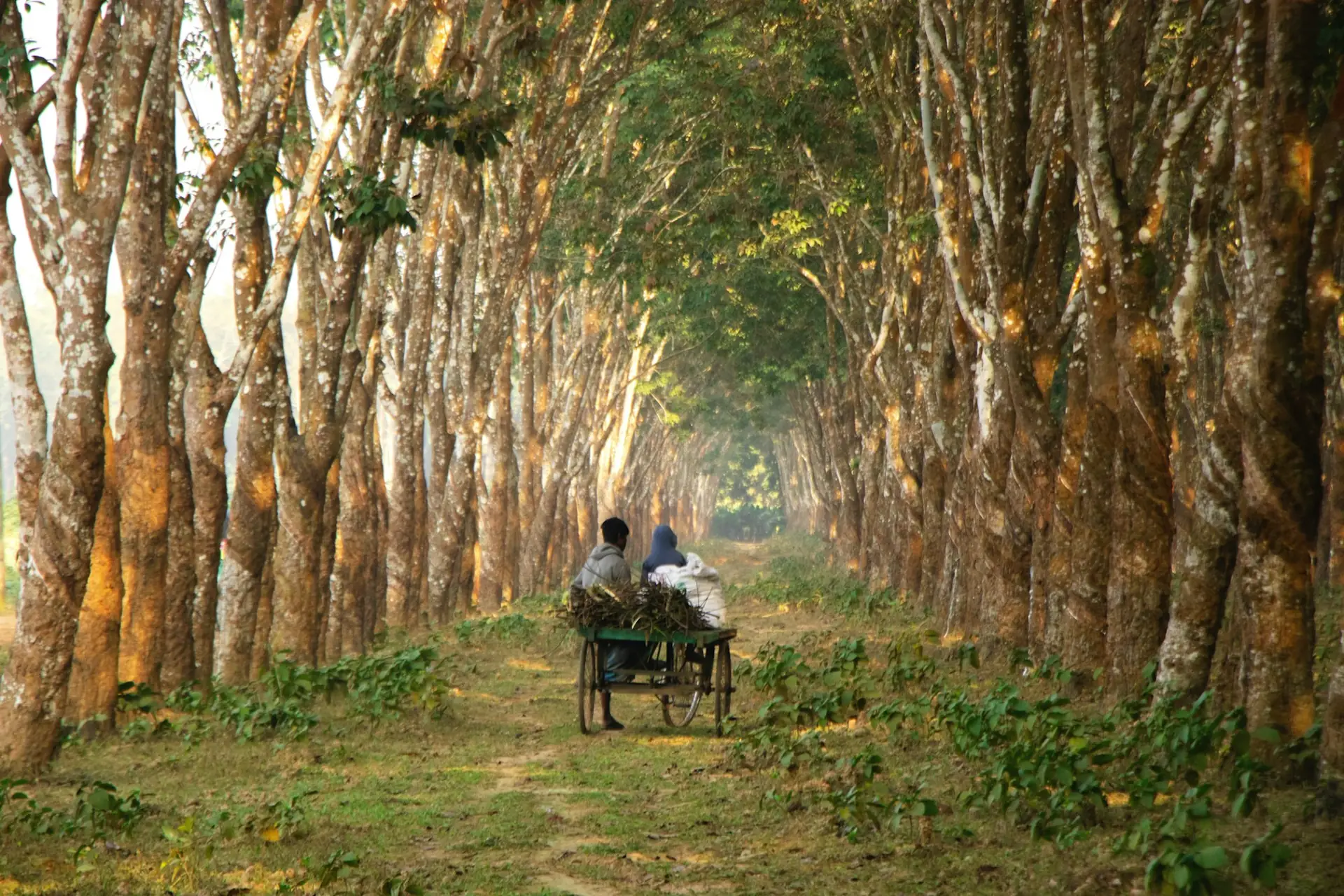
 Rubber plantations are a familiar sight in Sri Lanka. For most of their life, the trees are tapped for natural latex. When latex yields fall with age, the plantation is cleared and replanted, and the timber from those trees can begin a second life.
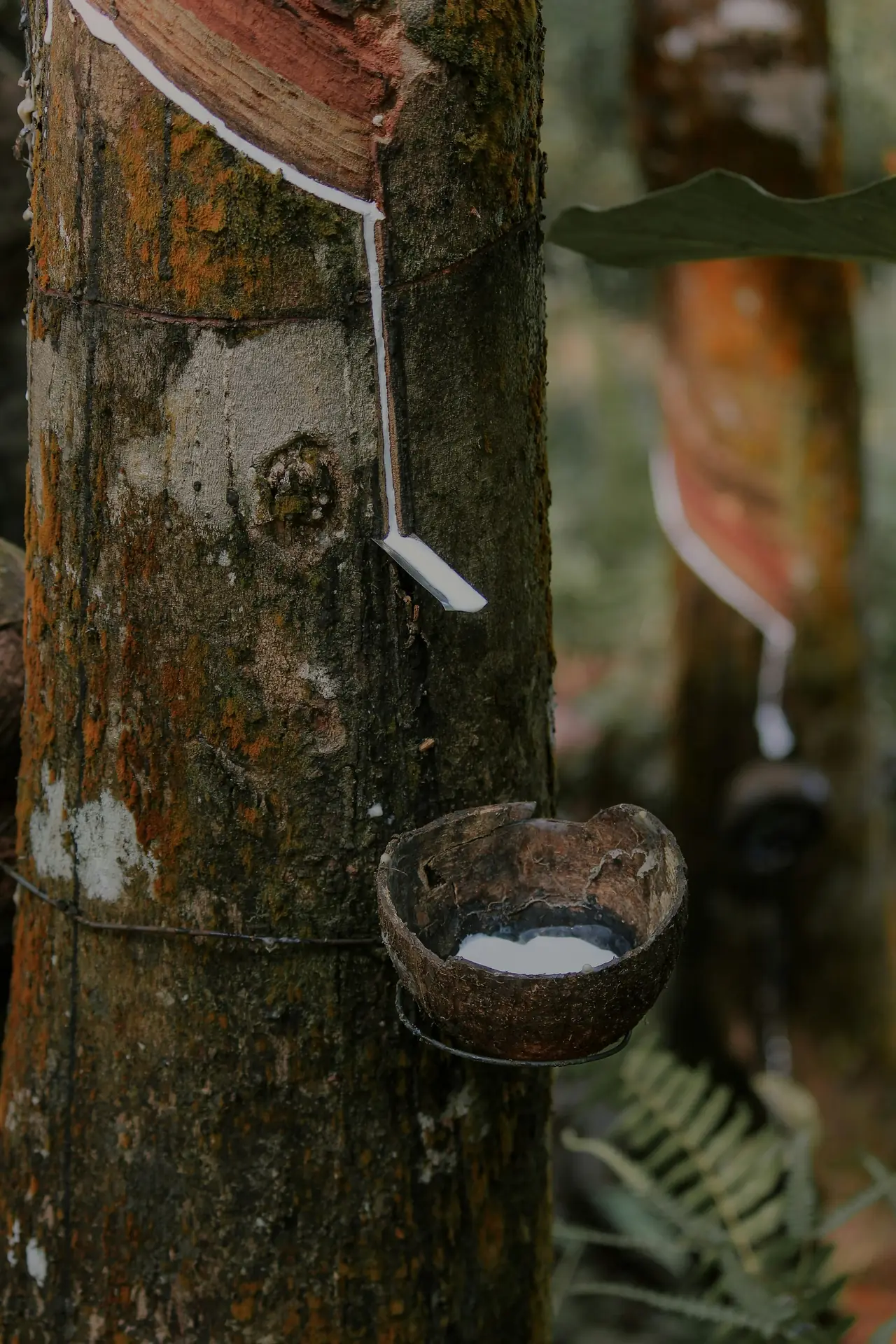
A timber that would otherwise be wasted
Using rubberwood means the same tree delivers two products: latex during its working life, and timber at the end of it. The land is then replanted with new trees, keeping the cycle going.
Why it works in plywood
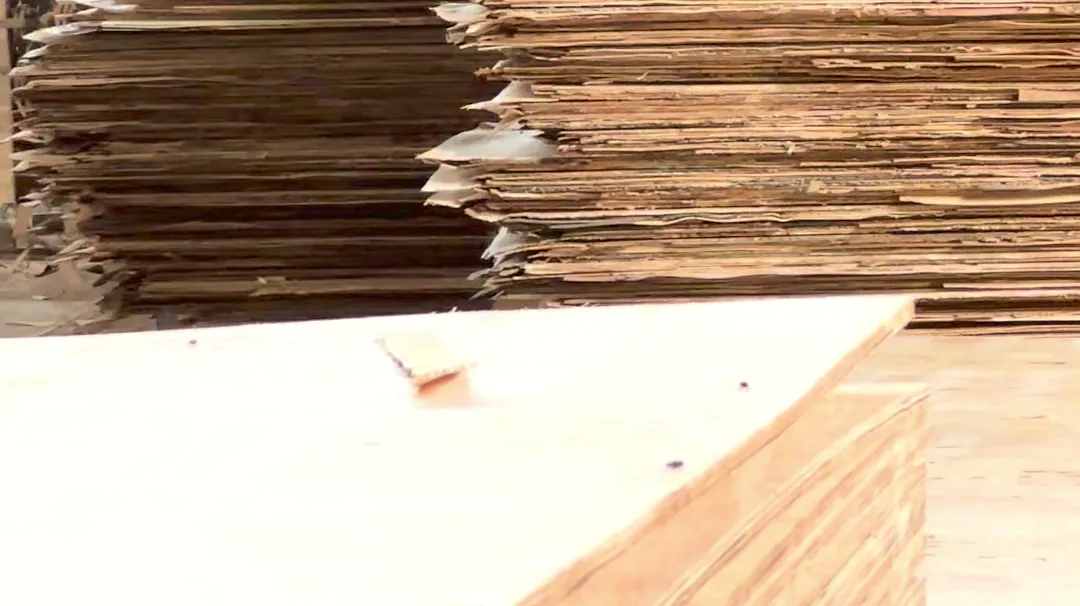
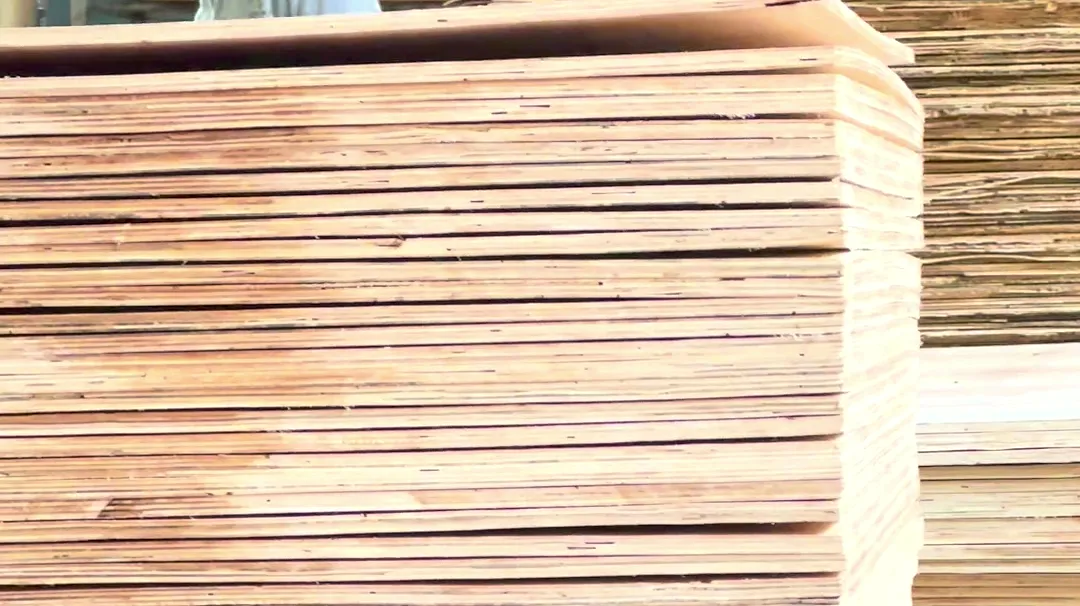
Rubberwood is a light-coloured hardwood with a fine, even grain. Peeled into veneer and dried properly, it bonds well and makes a stable core for plywood and block board.
Getting the most from every log
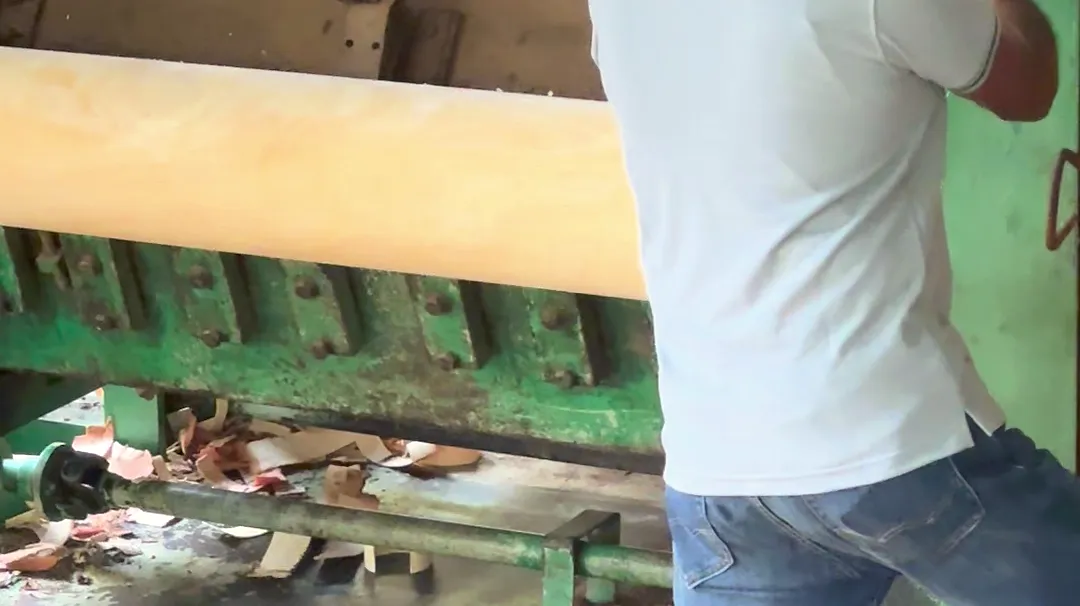
Responsible sourcing is only half the story. Rotary peeling extracts a large share of usable veneer from each log, and offcuts and residues can be used as fuel and core material, so very little is wasted.
Our approach
We work with timber from managed, replanted plantations and follow every board through our process, from log yard to dispatch. Read more about who we are.